Witch/Alchemist Character Model with Rig and Animation
This project was part of an art test, in which I had a month to provide one of the available deliverables.
Out of the provided options, I chose the deliverable in which I could 3D model, texture, rig and then finally create an animation for a character based on a provided description.
To start, I created multiple mood boards based on selected reference games, witch/alchemist characters, and potential hairstyles.
When designing the character, I initially experimented with various body shapes to see what would look the best. I went for a heavily stylised approach akin to some of the reference games such as Animal Crossing. I gave my character a large rounded head as well as shorter/stubbier yet rounded features. As for the final design, I incorporated design elements from both witch (a pointy hat and cape) and alchemist (leather pouches and goggles) characters.
Settling on a colour scheme took a few attempts, but I eventually settled for dark purple as a primary clothing colour to compliment the blond hair and pale cloth.
For the 3D modelling process, I separated many of the key elements of the character (such as the hat, leather pouches, etc.) to be individual models to make the process of texturing and rigging less cumbersome. To create the hair, I used a bezier curve which would then have it's shape filled in and manipulated by a circle curve. The bezier curves were copied and manipulated across the head of my character, and then turned into a mesh.
After UV unwrapping, I drew the textures using affinity photo. I kept the textures relatively simple to match the style of some of the reference games.
The most complex part was the rigging, as I studied part of a rigging course to make sure the rig was very high quality. Emphasis has been put on convenience and usability. An initial layer of deform bones (bones that manipulate the mesh) are controlled by a variety of target and control bones. Then, through the use of a Blender add-on, these bones can be designated to named bone layers which can have their visibility toggled on and off. In addition, bone groups have been given colours to make them visually distinct from one another.
Utilising what I'd learnt, I completed the rig by adding and customising bones for other parts of the model such as the face, skirt, cape, etc. I was even able to learn how to rig the eye texture so I could move the iris/pupils around.
An interesting feature of the rig is the use of a "properties" bone. By using custom properties and "drivers" on bone constraints, certain properties can be toggled on and off. One example is that the FK (forward kinematics) and the IK (inverse kinematics) in the arms can be toggled between, allowing for suitable arm control based on different situations.
The animation I made has the character celebrating by jumping for joy. Her magical hat joins in on the celebration, which surprises the character upon noticing. I wanted to add life and personality to the hat, to give the character a more magical feel.
Before rendering, I wanted to give the character more appealing visuals, so I did some research to add a toon/cel-shaded effect to the texture, as well as a black outline to the model.
Overall, this art test was a lot of fun while also being a great learning experience for me.
Jumping for joy character render 001
Jumping for joy character render 002
Jumping for joy character render 003
Jumping for joy character render 004

Character concept art - body shapes

Character concept art - character designs

Character concept art - refined character design

Character concept art - colour schemes

Screenshot - full rig front view

Screenshot - full rig side view

Screenshot - torso rig front view
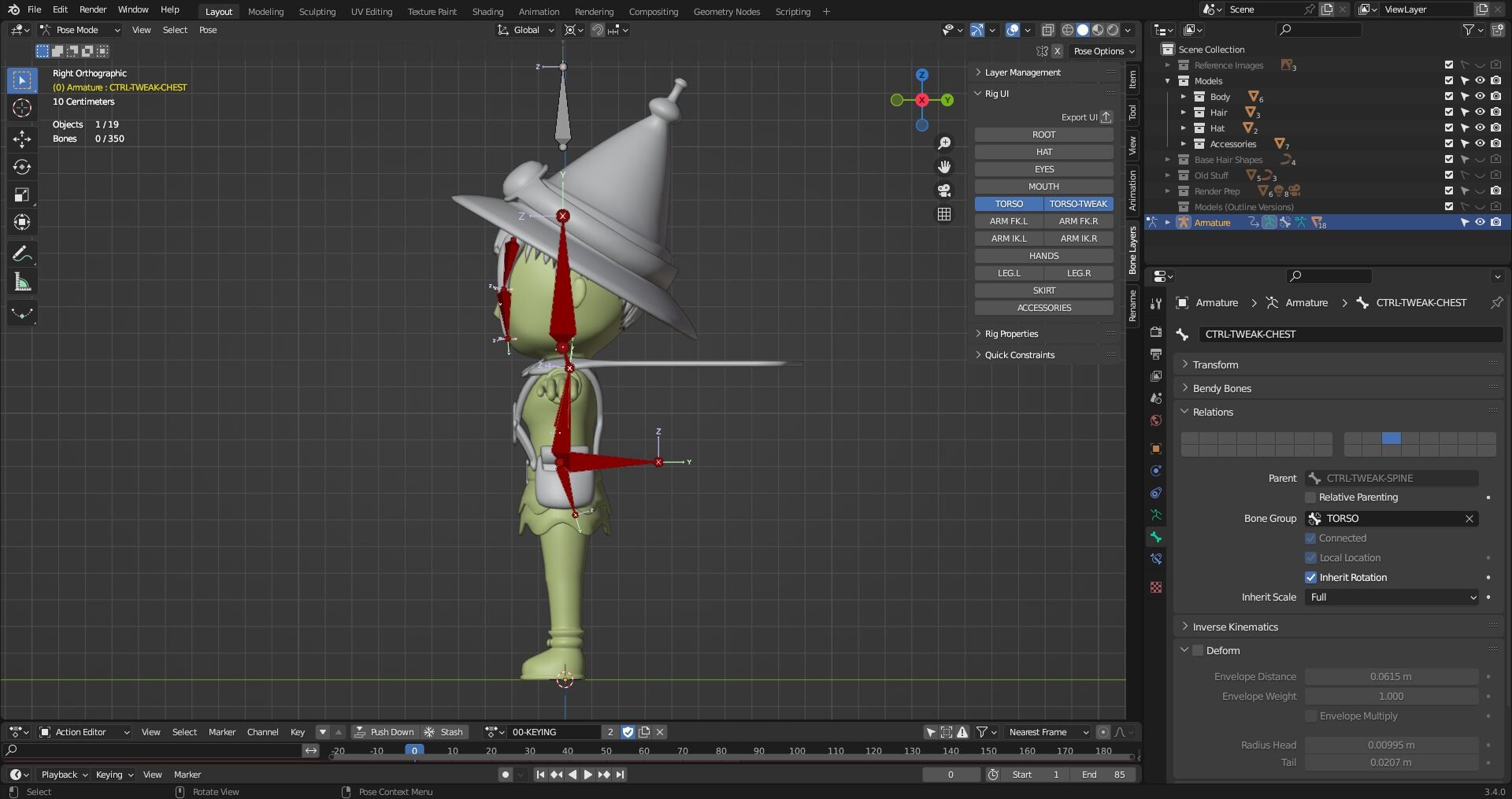
Screenshot - torso rig side view
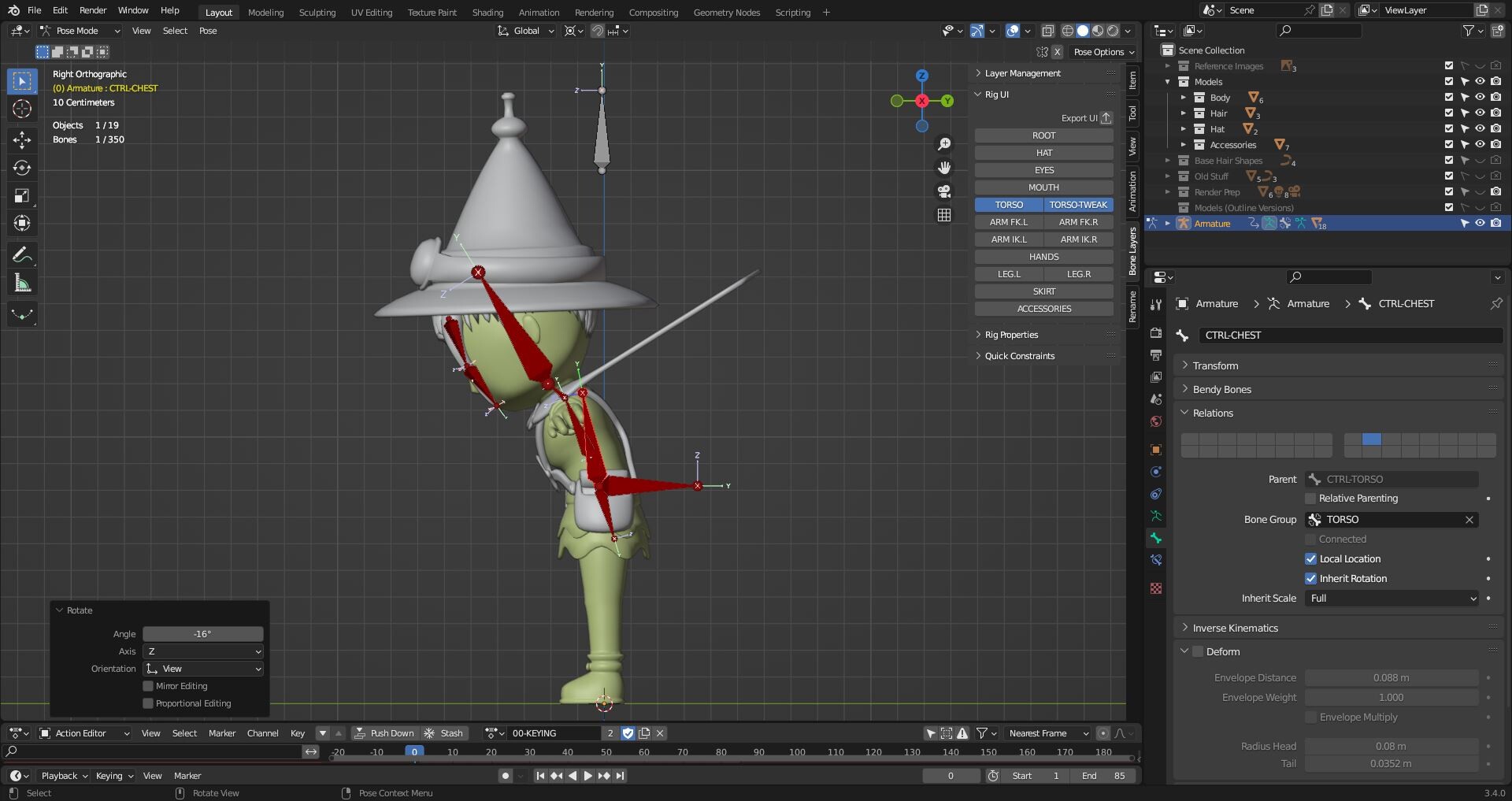
Screenshot - torso rig bending

Screenshot - arm rig (both FK and IK) front view
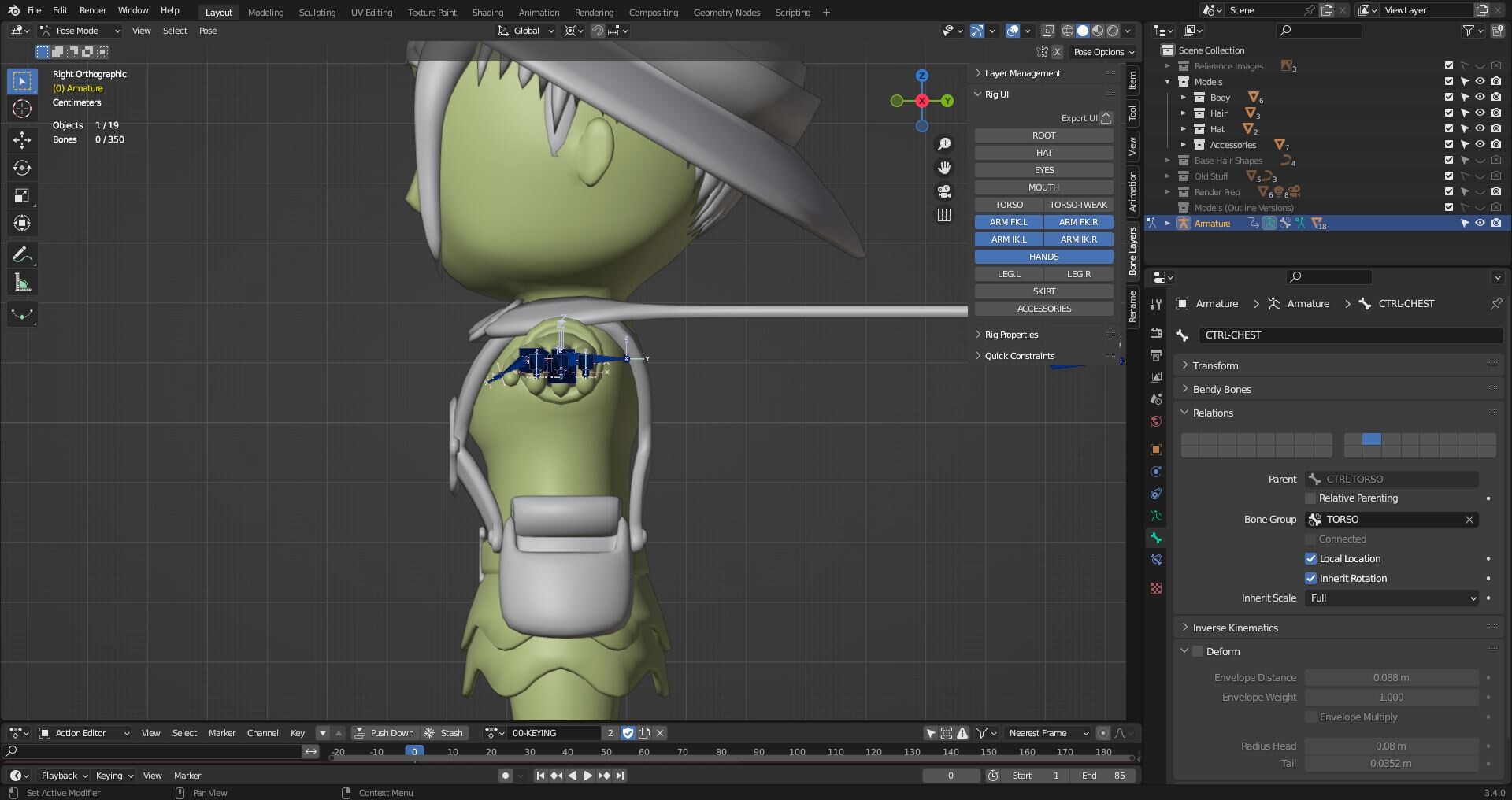
Screenshot - arm rig (both FK and IK) side view
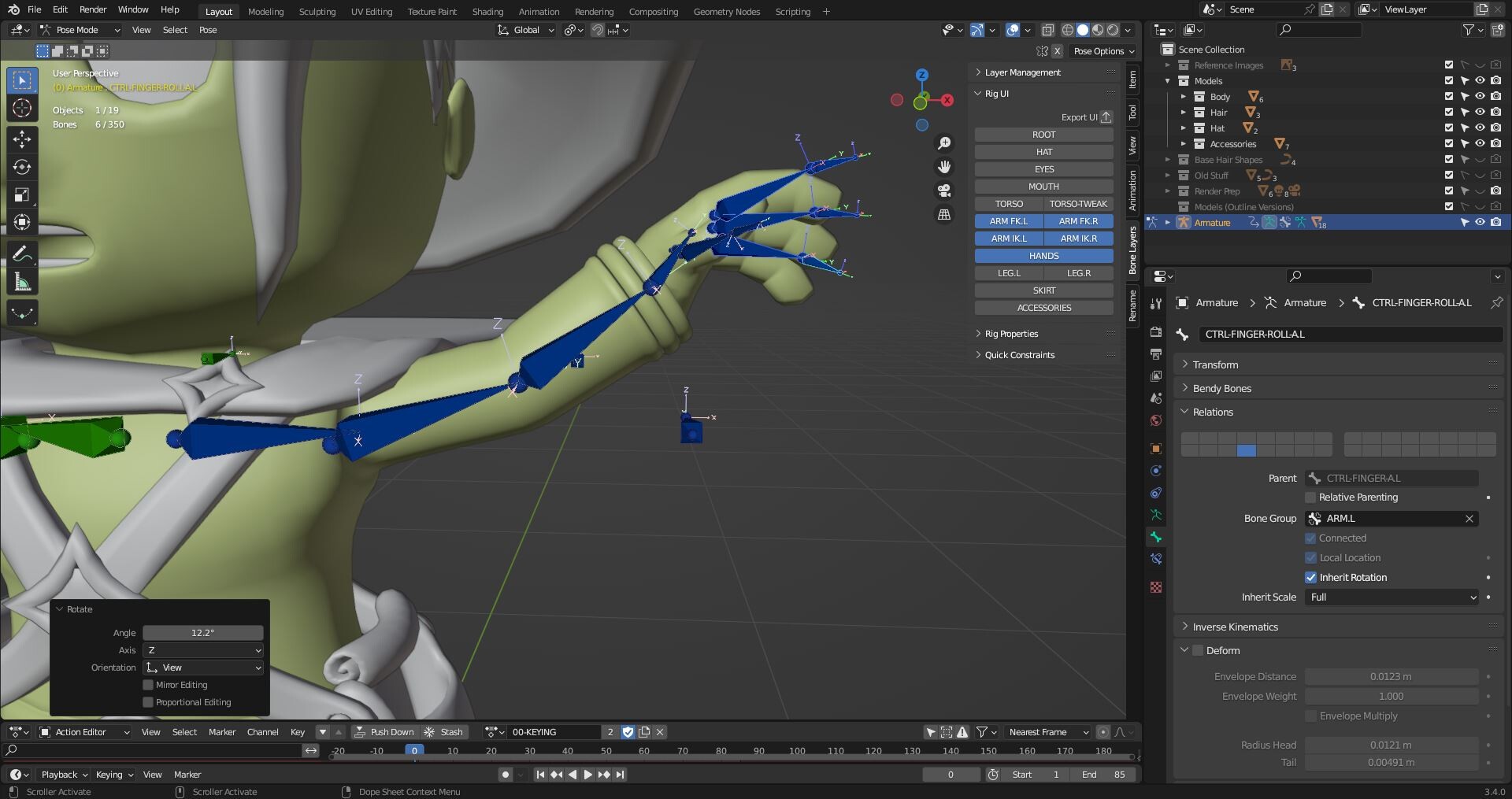
Screenshot - arm (FK) and hand rig

Screenshot - arm (IK) and hand rig
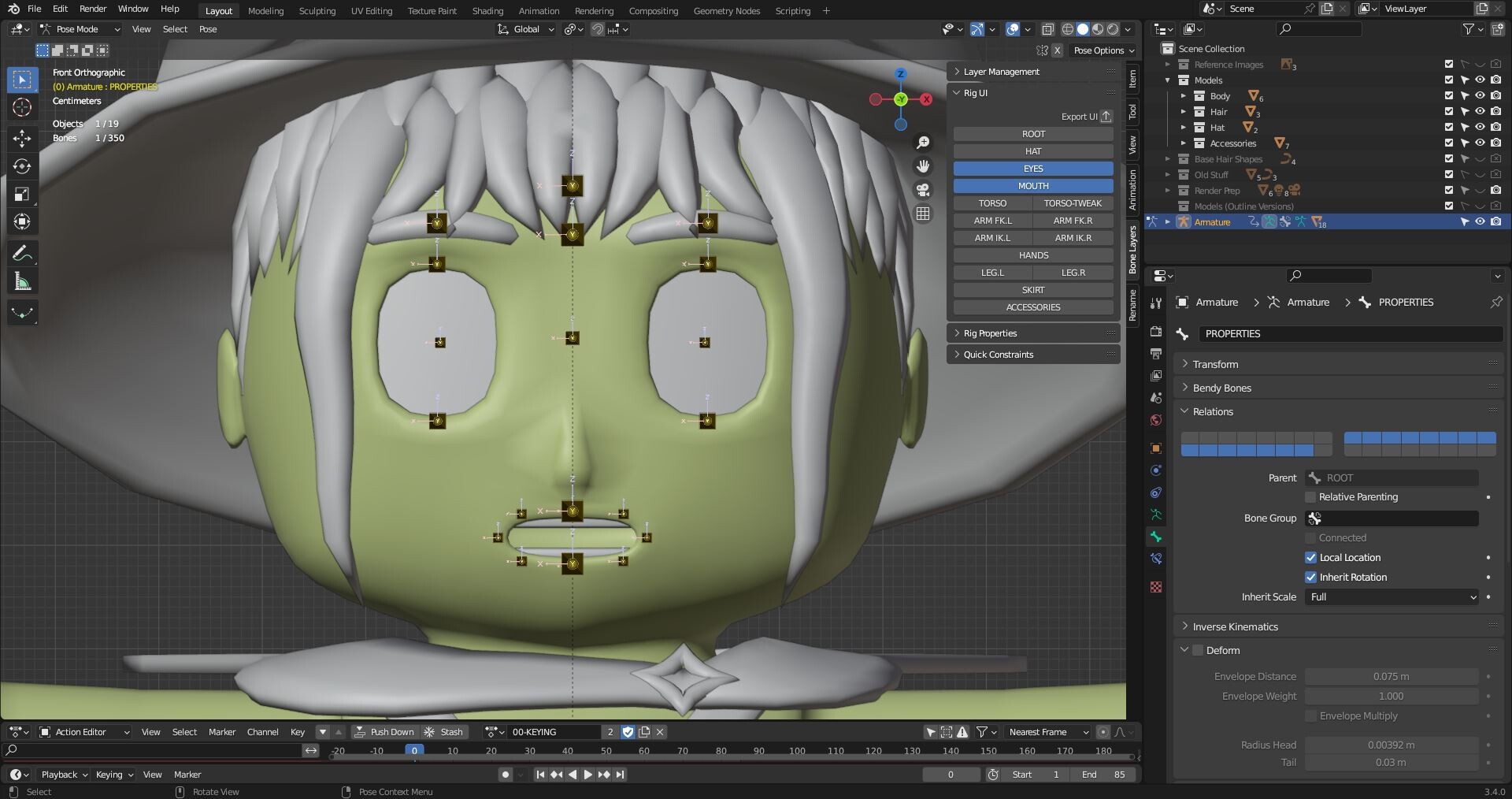
Screenshot - face rig

Screenshot - face rig, demonstrating eye iris, eye lid and lips control

Screenshot - hat rig front view
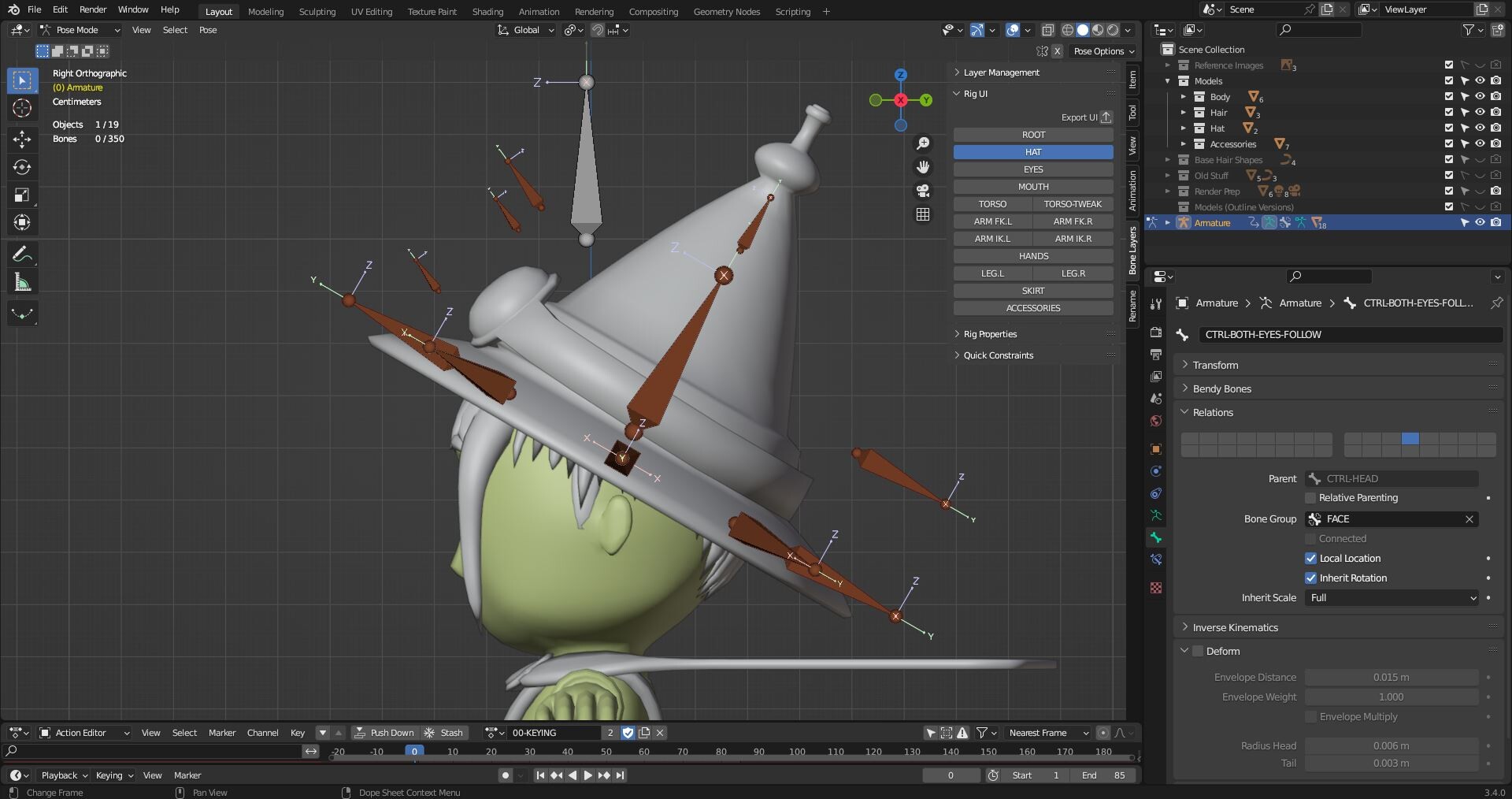
Screenshot - Hat rig side view

Screenshot - legs (with IK) and foot (with foot roll) rig front view
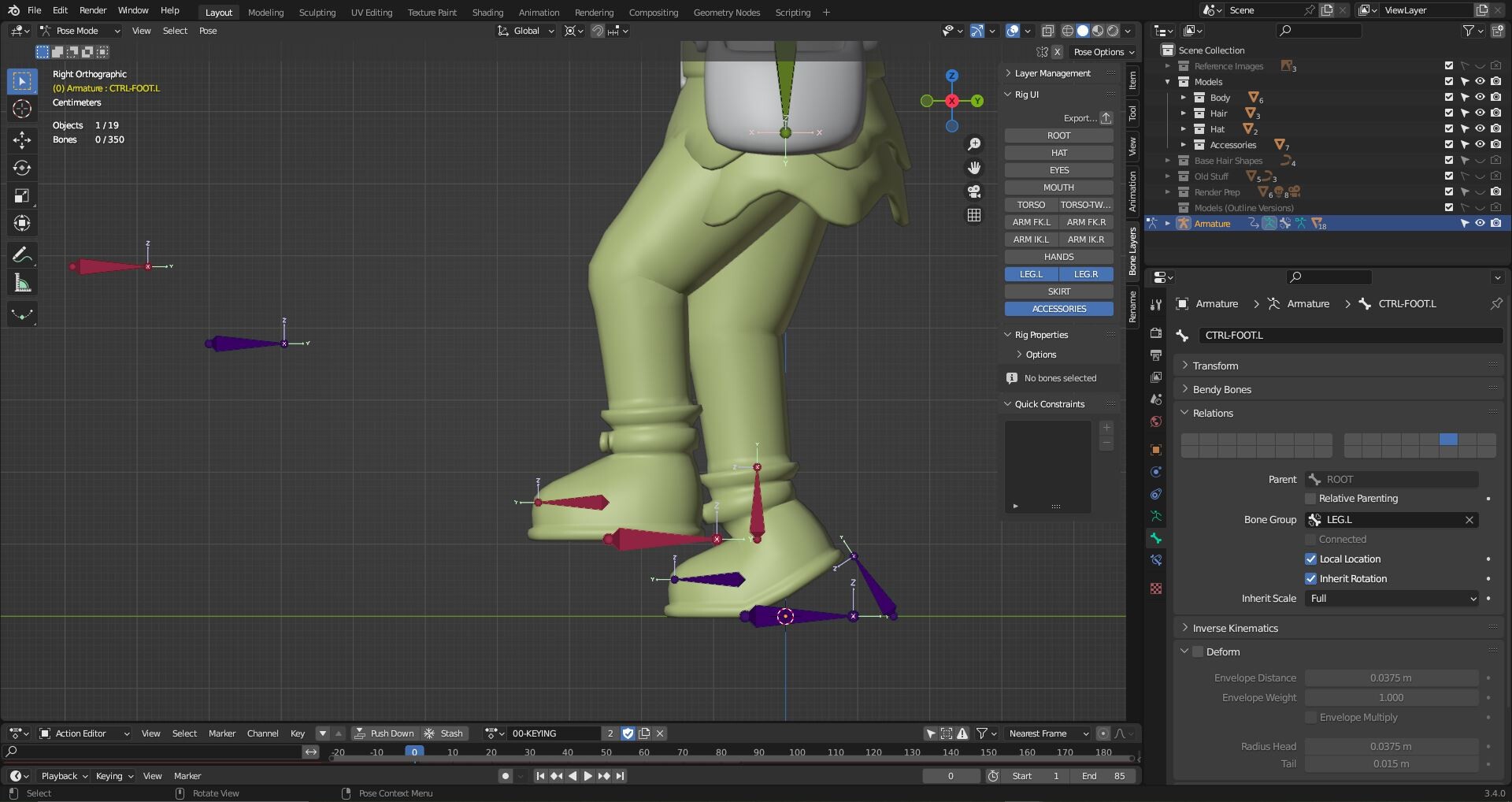
Screenshot - legs (with IK) and foot (with foot roll) rig side view

Screenshot - rig properties